Wednesday, September 6, 2017
6 September 2017: Vitamin Supplements Can Be Harmful to Health
A recent article confirms prior studies that high dose supplements by men of Vitamins B6 and B12 (individual supplements, not multivitamins) is associated with an increased risk of lung cancer, particularly in smokers, see https://www.ncbi.nlm.nih.gov/pubmed/28829668. These daily doses (vitamin B6: > 20 mg; vitamin B12 (> 55µg) are much higher than the recommended daily doses for men (vitamin B6: 1.3 to 1.7 mg; vitamin B12: 2.4 µg), see https://ods.od.nih.gov/factsh…/VitaminB6-HealthProfessional/ and https://ods.od.nih.gov/facts…/VitaminB12-HealthProfessional/, but they are sold at major retailers without a prescription, see, for example, https://www.walgreens.com/q/vitamin+b6. The authors conclude "This sex- and source-specific association provides further evidence that vitamin B supplements are not chemopreventive for lung cancer and may be harmful." Of course, the best way to reduce risk for lung cancer is to stop smoking, which causes 80-90% of lung cancers. In addition, the Mayo Clinic recommends reducing exposure to second hand smoke, testing your home for radon, eating more fruits and vegetables and getting sufficient exercise, http://www.mayoclinic.org/…/…/basics/prevention/con-20025531, which are standard recommendations in the medical community.

Sunday, June 18, 2017
18 June 2017: Life in the Detroit Suburbs Without a Car


18 June 2017
It’s been 2 months since I
gave my car to my daughter to drive to Alaska for a summer job. The initial reason was guilt - I feared
her 1999 Civic with 170K miles wouldn’t make the 4,200 mile trip. But part of me also wanted to relive my
experience as a medical student in Ann Arbor in the early 1980’s, when I also
gave up my car. I also consider it
my contribution to fighting climate change.
I live near 10 Mile and
Coolidge, by myself. Here is how I
get around.
SMART bus: I ride the bus to
work. I took a picture of the
schedule and put it on my phone. I
walk 15-20 minutes to 11 Mile and Coolidge to take the 740 bus. It takes me to 12 Mile and Telegraph
(15 minutes), and I walk 0.5 miles to my office. I use a $22 bus pass (costs $20 + $2 handling, ordered
online, takes about 4 business days to receive), for 11 fares @ $2. The bus is usually within 5 minutes of
the schedule. SMART has a free
app, whose tracker gives a map of where the bus actually is on the route, but
~5% of the time, the tracking function does not work. Lyft (similar to Uber) is my backup, but I only used it once
when the bus was 20 minutes late, and the tracking did not work, so I did not
know if the bus was broken down or not (next time I will call SMART to ask
before using Lyft). The bus
drivers are nice, and the ride is air conditioned and mostly comfortable, but I
do feel all the bumps in our sorry roads.
Bicycle: For me, there
actually is a “high” from bicycling.
I bike 8-10 miles to and from work if the weather does not call for
rain, and if my schedule permits.
I bike on subdivision streets and the 12 Mile bike path, not major
streets. I wear a helmet, gloves
and a yellow jacket to ensure that drivers, who appear to be focused on their
cell phones and not the road, will see me. I have been doing this for years, so the distance is not a
problem. I can shop in Royal Oak
while bicycling, but only can buy what fits in two carrier bags. I do not bike at night, and prefer to
not leave the bike somewhere I cannot see it, even though I lock it up and it
is not valuable. I carry extra
tubes and a pump to fix a flat, but if that doesn’t work, or I find myself
biking in the pouring rain, I call Lyft to pick me up, but first call the
driver to make sure the car has a back seat that folds down to fit my bike (my
front tire has a “quick release”).
Walk: It is very pleasant to
walk to the bus stop first thing in the morning, listing to the birds and
watching the joggers, walkers and cyclists. If, using the tracker, I see that I am very early for the
bus, I walk to the next stop(s), to get more exercise. I carry a backpack with an umbrella,
poncho, cell phone backup battery and reading material for the bus.
Lyft: I use this smart phone
app several times a week, and typically spend $200 to $300 per month (the app
keeps track of ride histories). I
usually give a $2 tip. Most rides
are $10 to $20, whether to work or downtown. The drivers are polite (because we rate them at the end of
the ride), and the cars are in very good shape. This was not my experience much of the time when I took
taxis. Last weekend, I took Lyft
to Midtown and walked around.
Compared to a car, it was a much better experience. As a passenger, I don’t care about
construction or traffic slowdowns.
I like talking to the drivers about their lives. I don’t have to spend 15 minutes
looking for a parking spot. When
leaving a big event, such as a concert, I typically walk away from the crowd,
to make it easier to spot the driver, and for the driver to find me.
At first, I worried about
short rides being bad for the drivers since their cost is minimal, but the
drivers don’t mind. Lyft pays
bonuses based on the number of rides they provide, and the drivers can do more
rides if they are short.
No money changes hands using
Lyft. It is charged to my credit
card, and I can see the cost of rides at any time.
I try to pay attention to
where we are going - if I put the wrong address in Lyft, the driver will take
me to the wrong place. Sometimes
drivers don’t know the area well, so I guide them. Some drivers don’t speak much English - this was mainly a problem
when in Miami, not Detroit. I have
not had any problems with rude, threatening or inappropriate drivers, or
vehicles that seemed deficient.
Initially I used Uber, but I
could not get reception several times.
Perhaps it is just me. I
have not had problems using Lyft.
Friends / family: I am happy
to use Lyft or walk, but friends / family may offer to take me home or closer
to home if they are in the car anyway.
I do not rely on this, and am always grateful if they offer.
The advantages of not having
a car are: (a) financial - no car payment, no car insurance, no maintenance, no
gas, no worrying about tickets, accidents, parking or tolls; (b) physical -
more exercise; (c) a better quality of life, at least for me. When I get to work, I am not anxious
because I have fought traffic on I-696 for 20 minutes. I don’t worry about crazy drivers
(well, perhaps a little when bicycling).
My life is not centered on my car, which makes me feel better. It is easier
for me to avoid doing things I really didn’t want to do anyway. I also try to avoid errands by doing
them online, or bunching them together; (d) safety - the drivers are typically
better than me. As a driver, I
would get tired, or think about the events of the day, and not be as alert as I
should have been.
The disadvantages are: (a)
financial - at times, I would prefer not to spend the $10 to $20 for Lyft; (b)
picking up people and going somewhere with Lyft takes a little getting used to;
(c) my mother and some friends say I will never get a girlfriend without a
car, but this is me now, and I view it as a screening test; (d) long trips will
require me to rent a car, but that doesn’t happen too often, and there are
several Enterprise and other car rentals nearby, which will pick me up at my
door (or I could use Lyft).; (e) other people may not consider me as reliable
since I don’t have a car, but I think using Lyft actually makes me more
reliable, since I don’t have to worry about my car’s condition or my ability to
drive.
Thursday, April 13, 2017
13 April 2017: My stay in the ICU
On Wednesday, 5 April 2017, at about 4pm, after running some errands, I decided to see my personal physician, who was nearby, to make sure I didn't have pneumonia or something serious. I had a one week history of flu-like symptoms, including mild weakness and fatigue, but also isolated examples of shortness of breath going up the stairs, drenching sweats and shaking chills at night. I had gained 7 pounds in the past week, despite a diminished appetite. I felt cold but had no fever (at least with my somewhat dated digital thermometer), had no pain and no cough. I did have some mild chronic rib pain, which I attributed to a bad mattress, that had just been replaced. When not feeling well, my ribs would hurt on the soft mattress, but I had just came back from a trip to Florida, sleeping on a different mattress, where the rib pain had disappeared.
Since my doctor was not in, I went to the walk in clinic. Six months previously, I went to this same clinic for a swollen right leg on a Friday, and the next night, when I was attending Carmen at the Detroit Opera Theatre, they called me to rush to the emergency room for a possible blood clot based on a mildly elevated D-dimer blood test, see https://en.wikipedia.org/wiki/D-dimer (which I did not do). Back to the present, they took my history, did a short exam, ordered an EKG, and then all hell broke loose.
The EKG indicated:
ST elevation, consider inferolateral injury or acute infarct
** ** ACUTE MI / STEMI ** **
They called 911, EMS came, asked me some questions, and then took me, with sirens blasting, to the Henry Ford West Bloomfield Hospital Emergency Department. If I didn't have a heart attack, this might have triggered one. In Emergency, they asked more questions, and started contacting physicians to do a cardiac catheterization, which maps out the inside of the coronary blood vessels to determine if I was having a heart attack.
I did not think I was having a heart attack. I had no symptoms. The rib pain was from my mattress, at least in my mind, although I don't think anyone believed me. But it also had none of the characteristics of heart attack pain (it was dull and constant, exercise did not make it worse, etc.). Other than being 59 and male, I had no risk factors for coronary artery disease. I am thin (BMI 21-22), a bicyclist (100-150 miles per week in season), vegan, with a low blood pressure (usually 105/65), good LDL (83), good HDL (54), no diabetes, no smoking, no alcohol. I told them I did not want a cardiac cath. The first blood test for heart damage (troponin) was negative, which made me more confident. They did a bedside chest Xray which showed bilateral pleural effusions (fluid at the base of both lungs) and an enlarged heart shadow (abnormal, cause unclear). The D-dimer blood test done today was more elevated than the last time, so they were worried about a pulmonary embolism (blood clot), although I had no blood clots elsewhere in the body. A second troponin test was also negative.
A chest CT gave the diagnosis of a pericardial effusion, fluid surrounding the heart due to an inflamed pericardium (acute pericarditis), which is the membrane lining the heart. This is usually due to a virus, but as in my case, the cause usually cannot be determined. The virus causes inflammation, which causes fluid to accumulate. The danger is that the fluid can press on the heart, and prevent it from beating normally, a condition called cardiac tamponade. At that point, it was clear that a cardiac cath was not indicated, and I was transferred to the ICU for monitoring, which happened Thursday morning at about 12:30 am.
In the ICU, I was hooked up. An IV is mandatory (two is preferable but I had "bad veins"). There was also a "pulse ox" (a monitor attached to a finger tip to measure the amount of oxygen in the blood), a blood pressure cuff that inflated automatically, and a cable attached to electrodes taped to my chest, to monitor my heart. Then it was time to sleep! At this hospital, every room, even the ICU, is private, and has its own bathroom and shower. They allowed me to use the bathroom and not a bedpan. I just had to disconnect the 3 cables, and bring the IV pole (which had wheels) with me.
On Thursday morning at about 9am, I had my first echocardiogram, an ultrasound of the heart. The cardiologist said I had a large amount of fluid surrounding the heart, although the heart wall and the values themselves were fine, with no evidence of any damage. However, the amount of fluid appeared to be mildly affecting the function of the heart, so it would have to be tapped, which could be done today or tomorrow. Tapping means sticking a needle in the chest next to the heart, to drain the fluid. The risk was low (~ 1% complication rate), particularly because there was so much fluid. Today or tomorrow: I chose tomorrow. They would monitor me until then. Since I am not great at sitting around doing nothing, I changed into my street clothes, set up an "office" and did some work. Then I walked around the ICU with my IV pole, and one of the male nurses had a hissy fit: "This is so inappropriate - you should not be in the unit", he started to rant. I ignored him. Later that day, Rachel and Sam visited and brought food. Others visited too, which lifted my spirits, although hospital visits are quite tiring. I ordered off the hospital menu - the food was pretty good. For the pericarditis, I was given high dose aspirin (2 regular aspirins every 6 hours) plus colchicine, an anti-inflammation drug used for gout. I went to sleep thinking about tomorrow's tap.
On Friday morning, I had my second echocardiogram. The fluid had lessened, and the cardiologist indicated the tap could wait. I would be monitored over the weekend, and could be transferred to a less intense unit The IV was kept in, but was disconnected from the IV pole. The pulse ox and the automatic blood pressure monitor were discontinued. That afternoon, I walked with a staff to the telemetry unit, which had a similar room, but a smaller nurse to patient ratio. I was seen by cardiology Saturday and Sunday morning. On Sunday morning, I had a third echocardiogram, which showed continued reduction in fluid, and they agreed to discharge me. I had gained an additional 9 pounds in the hospital (confirmed on my doctor's scale at home). At about 12:30 pm, I stepped outside, waiting for Leah to pick me up. Then I "lost it" for a few minutes.
I am now taking aspirin (only 325 mg every 6 hours) and colchicine, with a repeat echocardiogram and cardiology visit in 2 weeks. I was told to "take it easy", which to me means no bicycling (except short easy rides), no fast walking and no weights at the gym.
I am no longer "shaky" due to the experience, but it's hard to believe a week ago I was in the ICU.
There are probably some life lessons from this experience. Here is what I have compiled to date:
1. Exercise, eat healthy, stay thin, and follow your doctor's advice (when rational), and be in the best health you can be. It may not prevent all problems, such as I had, but will probably limit the damage when they occur.
2. Replace your bad mattresses.
3. Make sure you have a working digital thermometer, and your over the counter medications are not expired.
4. Being in the ICU, or perhaps being sick in general, is when you most need (want) a significant other. I am not sure what to do about this - for me, dating is quite miserable.
5. Make an extra effort to stay on good terms with your family members and friends.
6. My personal philosophy is to delay procedures if at all reasonable. I avoided two procedures that turned out to be unnecessary. Perhaps they would have gone well, but you never know.
7. If you are rational in crisis situations, use your brain and ask questions. In general, medicine should make sense. If you are not rational (or are always right, or know everything), listen to your doctors and hope for the best.
8. Pack a "personal bag" for emergencies, with toiletries and clothes for a day, for someone to pick up for you if needed.
9. Count your blessings - you never know when things will get much more difficult.
- Nat
Since my doctor was not in, I went to the walk in clinic. Six months previously, I went to this same clinic for a swollen right leg on a Friday, and the next night, when I was attending Carmen at the Detroit Opera Theatre, they called me to rush to the emergency room for a possible blood clot based on a mildly elevated D-dimer blood test, see https://en.wikipedia.org/wiki/D-dimer (which I did not do). Back to the present, they took my history, did a short exam, ordered an EKG, and then all hell broke loose.
The EKG indicated:
ST elevation, consider inferolateral injury or acute infarct
** ** ACUTE MI / STEMI ** **
I did not think I was having a heart attack. I had no symptoms. The rib pain was from my mattress, at least in my mind, although I don't think anyone believed me. But it also had none of the characteristics of heart attack pain (it was dull and constant, exercise did not make it worse, etc.). Other than being 59 and male, I had no risk factors for coronary artery disease. I am thin (BMI 21-22), a bicyclist (100-150 miles per week in season), vegan, with a low blood pressure (usually 105/65), good LDL (83), good HDL (54), no diabetes, no smoking, no alcohol. I told them I did not want a cardiac cath. The first blood test for heart damage (troponin) was negative, which made me more confident. They did a bedside chest Xray which showed bilateral pleural effusions (fluid at the base of both lungs) and an enlarged heart shadow (abnormal, cause unclear). The D-dimer blood test done today was more elevated than the last time, so they were worried about a pulmonary embolism (blood clot), although I had no blood clots elsewhere in the body. A second troponin test was also negative.
A chest CT gave the diagnosis of a pericardial effusion, fluid surrounding the heart due to an inflamed pericardium (acute pericarditis), which is the membrane lining the heart. This is usually due to a virus, but as in my case, the cause usually cannot be determined. The virus causes inflammation, which causes fluid to accumulate. The danger is that the fluid can press on the heart, and prevent it from beating normally, a condition called cardiac tamponade. At that point, it was clear that a cardiac cath was not indicated, and I was transferred to the ICU for monitoring, which happened Thursday morning at about 12:30 am.
In the ICU, I was hooked up. An IV is mandatory (two is preferable but I had "bad veins"). There was also a "pulse ox" (a monitor attached to a finger tip to measure the amount of oxygen in the blood), a blood pressure cuff that inflated automatically, and a cable attached to electrodes taped to my chest, to monitor my heart. Then it was time to sleep! At this hospital, every room, even the ICU, is private, and has its own bathroom and shower. They allowed me to use the bathroom and not a bedpan. I just had to disconnect the 3 cables, and bring the IV pole (which had wheels) with me.
On Thursday morning at about 9am, I had my first echocardiogram, an ultrasound of the heart. The cardiologist said I had a large amount of fluid surrounding the heart, although the heart wall and the values themselves were fine, with no evidence of any damage. However, the amount of fluid appeared to be mildly affecting the function of the heart, so it would have to be tapped, which could be done today or tomorrow. Tapping means sticking a needle in the chest next to the heart, to drain the fluid. The risk was low (~ 1% complication rate), particularly because there was so much fluid. Today or tomorrow: I chose tomorrow. They would monitor me until then. Since I am not great at sitting around doing nothing, I changed into my street clothes, set up an "office" and did some work. Then I walked around the ICU with my IV pole, and one of the male nurses had a hissy fit: "This is so inappropriate - you should not be in the unit", he started to rant. I ignored him. Later that day, Rachel and Sam visited and brought food. Others visited too, which lifted my spirits, although hospital visits are quite tiring. I ordered off the hospital menu - the food was pretty good. For the pericarditis, I was given high dose aspirin (2 regular aspirins every 6 hours) plus colchicine, an anti-inflammation drug used for gout. I went to sleep thinking about tomorrow's tap.
On Friday morning, I had my second echocardiogram. The fluid had lessened, and the cardiologist indicated the tap could wait. I would be monitored over the weekend, and could be transferred to a less intense unit The IV was kept in, but was disconnected from the IV pole. The pulse ox and the automatic blood pressure monitor were discontinued. That afternoon, I walked with a staff to the telemetry unit, which had a similar room, but a smaller nurse to patient ratio. I was seen by cardiology Saturday and Sunday morning. On Sunday morning, I had a third echocardiogram, which showed continued reduction in fluid, and they agreed to discharge me. I had gained an additional 9 pounds in the hospital (confirmed on my doctor's scale at home). At about 12:30 pm, I stepped outside, waiting for Leah to pick me up. Then I "lost it" for a few minutes.
I am now taking aspirin (only 325 mg every 6 hours) and colchicine, with a repeat echocardiogram and cardiology visit in 2 weeks. I was told to "take it easy", which to me means no bicycling (except short easy rides), no fast walking and no weights at the gym.
I am no longer "shaky" due to the experience, but it's hard to believe a week ago I was in the ICU.
There are probably some life lessons from this experience. Here is what I have compiled to date:
1. Exercise, eat healthy, stay thin, and follow your doctor's advice (when rational), and be in the best health you can be. It may not prevent all problems, such as I had, but will probably limit the damage when they occur.
2. Replace your bad mattresses.
3. Make sure you have a working digital thermometer, and your over the counter medications are not expired.
4. Being in the ICU, or perhaps being sick in general, is when you most need (want) a significant other. I am not sure what to do about this - for me, dating is quite miserable.
5. Make an extra effort to stay on good terms with your family members and friends.
6. My personal philosophy is to delay procedures if at all reasonable. I avoided two procedures that turned out to be unnecessary. Perhaps they would have gone well, but you never know.
7. If you are rational in crisis situations, use your brain and ask questions. In general, medicine should make sense. If you are not rational (or are always right, or know everything), listen to your doctors and hope for the best.
8. Pack a "personal bag" for emergencies, with toiletries and clothes for a day, for someone to pick up for you if needed.
9. Count your blessings - you never know when things will get much more difficult.
- Nat
Friday, March 17, 2017
17 March 2017: Eat healthier for colon cancer awareness month
March has been designated as colon cancer awareness month since 2000. Colon cancer is projected to cause 50,260 deaths in the US in 2017, with 1,680 in Michigan (see Cancer Facts & Figures 2017 at pages 4 and 6), although the death rate is declining (see Cancer Facts & Figures 2017 at pages 2 and 3). Overall, colon cancer is the #2 cause of cancer deaths in men in the US (projected deaths in the US in 2017 are lung: 84,590, colon: 27,150, prostate: 26,730) and #3 in women (projected deaths in the US in 2017 are lung: 71,280, breast: 40,610, colon: 23,110, see Cancer Facts & Figures 2017 at page 10).
Colon cancer is strongly influenced by diet. According to Dr. Joel Kahn, my medical school classmate (University of Michigan, 1983), cardiologist and owner of Green Space Cafe, dietary and lifestyle changes can modify your risk:
Six dietary and lifestyle recommendations: 1) lower body weight 2) increased physical activity 3) reducing daily calories 4) eating lots of plant foods 5) reducing red and processed meat and 6) limiting alcohol were examined over 8 years in 66,920 adults aged 50-76 years with no history of CRC [colorectal cancer]. The study found that following between one and three of the lifestyle steps resulted in a 34-45 percent lower risk of CRC while meeting four to six of the targets resulted in a stunning 58 percent lower incidence of CRC. The lowest CRC risk for women related to lower body fatness and reduced red and processed meat in the diet while for men it was avoiding excessive alcohol intake and reducing red and processed meat in the diet. See BLOG: Dr. Joel Kahn Talks Colon Health For Colon Cancer Awareness Month, dbusiness, 16 March 2017 and Cancer Causes Control. 2016 Nov;27(11):1347-1359
Why does diet make a difference? As recently reported by Columbia University researchers, our diet affects the microbiota (the mix of microorganisms found in and on all multicellular organisms) in our gut, which influences disease:
Microbiota and host form a complex 'super-organism' in which symbiotic relationships confer benefits to the host in many key aspects of life. However, defects in the regulatory circuits of the host that control bacterial sensing and homeostasis, or alterations of the microbiome, through environmental changes (infection, diet or lifestyle), may disturb this symbiotic relationship and promote disease. Increasing evidence indicates a key role for the bacterial microbiota in carcinogenesis. See Nat Rev Cancer 2013 Nov;13(11):800-12.
A friend of mine once said "What's the point of living if you can't eat the foods you like?" There certainly is some truth in that. But it is also true that many of us would rather find ways to modify our diet and lifestyle that we could accept, if we could avoid certain diseases (overweight / obesity, high blood pressure, diabetes, coronary heart disease, reflux) that are far more troubling. Personally, I find it hard to make major changes in my life. But I can make a small change today, which not only may make a difference, but gives me a new outlook on the future.
Colon cancer is strongly influenced by diet. According to Dr. Joel Kahn, my medical school classmate (University of Michigan, 1983), cardiologist and owner of Green Space Cafe, dietary and lifestyle changes can modify your risk:
Six dietary and lifestyle recommendations: 1) lower body weight 2) increased physical activity 3) reducing daily calories 4) eating lots of plant foods 5) reducing red and processed meat and 6) limiting alcohol were examined over 8 years in 66,920 adults aged 50-76 years with no history of CRC [colorectal cancer]. The study found that following between one and three of the lifestyle steps resulted in a 34-45 percent lower risk of CRC while meeting four to six of the targets resulted in a stunning 58 percent lower incidence of CRC. The lowest CRC risk for women related to lower body fatness and reduced red and processed meat in the diet while for men it was avoiding excessive alcohol intake and reducing red and processed meat in the diet. See BLOG: Dr. Joel Kahn Talks Colon Health For Colon Cancer Awareness Month, dbusiness, 16 March 2017 and Cancer Causes Control. 2016 Nov;27(11):1347-1359
Why does diet make a difference? As recently reported by Columbia University researchers, our diet affects the microbiota (the mix of microorganisms found in and on all multicellular organisms) in our gut, which influences disease:
Microbiota and host form a complex 'super-organism' in which symbiotic relationships confer benefits to the host in many key aspects of life. However, defects in the regulatory circuits of the host that control bacterial sensing and homeostasis, or alterations of the microbiome, through environmental changes (infection, diet or lifestyle), may disturb this symbiotic relationship and promote disease. Increasing evidence indicates a key role for the bacterial microbiota in carcinogenesis. See Nat Rev Cancer 2013 Nov;13(11):800-12.
A friend of mine once said "What's the point of living if you can't eat the foods you like?" There certainly is some truth in that. But it is also true that many of us would rather find ways to modify our diet and lifestyle that we could accept, if we could avoid certain diseases (overweight / obesity, high blood pressure, diabetes, coronary heart disease, reflux) that are far more troubling. Personally, I find it hard to make major changes in my life. But I can make a small change today, which not only may make a difference, but gives me a new outlook on the future.
Thursday, May 5, 2016
5 May 2016: Comment about Vaxxed movie
I have commented previously on the benefits of the HPV vaccine. In response, I was invited to see the movie Vaxxed (https://en.wikipedia.org/wiki/Vaxxed). Here was my response:
Unfortunately, I must decline your generous invitation. I suppose to some, Andrew Wakefield is their hero. But I disagree. Although I have only published ~16 scientific articles (see http://natpernick.com/ and http://www.ncbi.nlm.nih.gov/pubmed/?term=pernick+n[author]), committing scientific fraud is perhaps the most despicable act that a scientist can commit (see http://www.bmj.com/content/342/bmj.c7452.full). Not only does it hurt the careers of all who rely on the fraudulent conclusions, but it damages the public’s trust in science, and even the public health (see http://www.nytimes.com/2015/02/02/us/a-discredited-vaccine-studys-continuing-impact-on-public-health.html?_r=0).
Unfortunately, I must decline your generous invitation. I suppose to some, Andrew Wakefield is their hero. But I disagree. Although I have only published ~16 scientific articles (see http://natpernick.com/ and http://www.ncbi.nlm.nih.gov/pubmed/?term=pernick+n[author]), committing scientific fraud is perhaps the most despicable act that a scientist can commit (see http://www.bmj.com/content/342/bmj.c7452.full). Not only does it hurt the careers of all who rely on the fraudulent conclusions, but it damages the public’s trust in science, and even the public health (see http://www.nytimes.com/2015/02/02/us/a-discredited-vaccine-studys-continuing-impact-on-public-health.html?_r=0).
Sunday, February 14, 2016
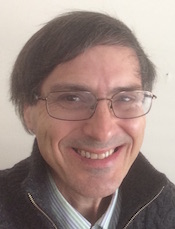
14 February 2016: Three head shots
 |
| December 1983 |
 |
| June 1984 |
 |
| February 2016 |
This post is about the above 3 head shots from 1983, 1984 and 2016, and how inaccurate appearances can be.
The first photo is from my brother Dan's wedding in December 1983. I was 26 years old, weighed 155 pounds, and had a BMI of 21.3 at a height of 5 feet, 11 1/2”. I looked healthy, but actually, I was dying. In 1980, as a second year medical student at the University of Michigan learning how to do physical exams, I found a small inguinal lymph node in the left lower quadrant of my abdomen. The Student Health Service told me it was a "shotty" (resembling gun shot) lymph node, of no significance. Perhaps they were also rolling their eyes, because second year medical students were always diagnosing themselves with cancer to explain their chronic fatigue. I continued to do self physical exams every few months. Three years later, in November 1983, I was finishing my first term as a law student, also at the University of Michigan, about to turn 26. I again felt the mass. Perhaps it was a little bigger. I didn't measure it, and didn't notice anything different about it. But, next to it, even today, it is hard to believe. In one instant, my entire life changed. One moment I was a first year law student studying for finals, the next I was not. I felt a huge (4-5 inches) rock hard mass in the left lower abdomen. I had no doubt what this was. It was a very big abdominal or pelvic cancer, that had no doubt spread extensively, and I was pretty sure I would not live long enough to graduate from law school. I certainly could not talk to my friends or relatives about it – I was in total shock (a belated “sorry”). At my brother’s wedding a month later, I looked at all my relatives thinking I would never see them again.
The most difficult telephone call in my life, at least up to then, was telling my parents. Then I scheduled a biopsy by Dr. John Niederhuber, the surgeon in charge of medical students when I was matriculating at UM, and who later directed the National Cancer Institute. Ironically, the diagnosis was confirmed before the scalpel hit my skin. As the nurse was draping me for the surgery, I noticed that the area being prepped was not over the mass that I felt, but in the upper thigh. I informed the nurse that this was a mistake. She checked with the surgeon, and said no, the drapes were in the correct spot.
The first photo is from my brother Dan's wedding in December 1983. I was 26 years old, weighed 155 pounds, and had a BMI of 21.3 at a height of 5 feet, 11 1/2”. I looked healthy, but actually, I was dying. In 1980, as a second year medical student at the University of Michigan learning how to do physical exams, I found a small inguinal lymph node in the left lower quadrant of my abdomen. The Student Health Service told me it was a "shotty" (resembling gun shot) lymph node, of no significance. Perhaps they were also rolling their eyes, because second year medical students were always diagnosing themselves with cancer to explain their chronic fatigue. I continued to do self physical exams every few months. Three years later, in November 1983, I was finishing my first term as a law student, also at the University of Michigan, about to turn 26. I again felt the mass. Perhaps it was a little bigger. I didn't measure it, and didn't notice anything different about it. But, next to it, even today, it is hard to believe. In one instant, my entire life changed. One moment I was a first year law student studying for finals, the next I was not. I felt a huge (4-5 inches) rock hard mass in the left lower abdomen. I had no doubt what this was. It was a very big abdominal or pelvic cancer, that had no doubt spread extensively, and I was pretty sure I would not live long enough to graduate from law school. I certainly could not talk to my friends or relatives about it – I was in total shock (a belated “sorry”). At my brother’s wedding a month later, I looked at all my relatives thinking I would never see them again.
The most difficult telephone call in my life, at least up to then, was telling my parents. Then I scheduled a biopsy by Dr. John Niederhuber, the surgeon in charge of medical students when I was matriculating at UM, and who later directed the National Cancer Institute. Ironically, the diagnosis was confirmed before the scalpel hit my skin. As the nurse was draping me for the surgery, I noticed that the area being prepped was not over the mass that I felt, but in the upper thigh. I informed the nurse that this was a mistake. She checked with the surgeon, and said no, the drapes were in the correct spot.
The surgeon was not stupid. He was removing
tissue from another location which was easier to access (below the skin of
the thigh is easier than entering the abdominal or pelvic cavity). This meant that it definitely was
cancer and it had spread. He was doing a biopsy to determine what type of cancer it was.
A CT scan the next month showed that the tumor
had spread to lymph nodes throughout the pelvis and abdomen. I was scheduled for abdominal surgery. I left the law school dorm for the week
long hospital stay. I
had a splenectomy, liver biopsy and bone marrow biopsy, with a long abdominal
incision. The tumor involved the spleen, but spared the liver and bone
marrow. The pathologists gave me a
diagnosis of Hodgkin's disease, Stage IIA with splenic involvement (the same as
the biopsy, although I cannot find the biopsy report). Today, it is
called classical Hodgkin lymphoma, nodular sclerosing subtype.
After the surgery, there was a wound
infection. They left the incision
open to the depth of the abdominal musculature, where it healed “by secondary intention”. I did not like being in the hospital
waiting for discharge, so I wore my street clothes, and asked for a “day pass”,
so I could attend classes.
I would wake up in the hospital (the “Old Main” Hospital, now demolished),
see the doctors at morning rounds, have my tubes disconnected, and walk out the
hospital. I would take the UM bus
to main campus, walk to the Law School, stop at my dorm room and say hello to
my roommate (I did not tell him where I was, sorry Bill). I assume I looked like a wreck. Then I would attend classes, pick up any needed clothes, and
go back to the hospital.
Treatment was radiation therapy over the pelvis,
abdomen, chest and lower head and neck. Twenty years before, I would be dead, but with radiation therapy, there was a high cure rate (today, chemotherapy is the desired treatment). It was uncomfortable having the young female radiation technologists
carefully placing lead blocks to preserve my fertility (use your imagination),
but there was no actual sensation from the radiation. After the first radiation dose, I went to class, and threw
up during the lecture.
Fortunately, I brought a plastic bag with me, and other than leaving the
room, I am not sure anyone noticed (at least they didn’t mention it). After that, I changed the timing of the
radiation therapy appointments, so I was throwing up right after lunch, in the
basement bathroom of the Law School Commons. I got used to it.
I did wonder if it would ever stop, but of course I did not throw up at any
other time. I lost 20
pounds, and the tailor had to keep taking in my tux for the upcoming
wedding. In June 1984, when the
second picture was taken, I weighed about 135 pounds (BMI 18.5).
In April 1985, my oncologist Dr. Vi Dabich, a
seasoned physician, told me about the most recent CT scan. She had tears
in her eyes. The CT report, which I still have, indicated "multiple
new hepatic lesions most consistent with metastases." The tumor had
apparently moved to a new site, and liver involvement, although not necessarily
fatal, was not good. But if I was dying, I actually felt pretty good. I had an ultrasound guided liver
biopsy, which was inconclusive (no tissue was obtained, only blood), and then
had another operation to take a good chunk of liver tissue. The diagnosis was multiple hemangiomas,
a benign (i.e. not cancerous) tumor of blood vessels. I have not found any reports of hemangiomas caused by
radiation therapy, but that seems to me to be what happened. Every time I had another abdominal CT scan, the radiologists would stop the scanner when it was over the liver and they saw the "obvious" liver metastases. I had to tell them that this was not a new finding, and to look at the old films. I had many other side effects of the
radiation therapy, but fortunately none of them were life threatening.
Due to my own lack of sufficient exercise and
will power, and likely to my then wife’s spectacular cooking, I started gaining
weight, and reached 189.5 in spring 2008. I tried dieting for a dozen years, and could not lose the weight. I eventually got a diet coach through Health
Alliance Plan, my medical insurer.
At some point, I started using a smart phone app to record my caloric
intake and exercise, and bought several diet scales to weigh my food. It seems obsessive / compulsive, and
perhaps it is, but I did reach my target goal of 148 pounds (BMI of 21 at my
new height of 5 feet 10 1/2”), at least for one day (see my blog post about
diet by clicking here). The third photo is from today, weight
152.5 pounds, BMI 21.3. I admit my
face looks too thin – the fat has accumulated in other parts of my body where
it apparently does not want to leave.
I feel great and eat well, although healthy (mostly vegetarian, low fat
except for desserts), and exercise a lot (100-150 miles of bicycling in the
good weather). So
appearances may be deceiving.
Sunday, August 23, 2015
23 August 2015: Welcome to my Health Blog
I have started a Health Blog, based on health issues that may be of interest to others. My medical background is posted at www.natpernick.com.


This first blog post is about my weight loss. I have been trying to lose weight at least since March 2001, when I first recorded my weight using a doctor's scale. I weighed 182.5 pounds, with a BMI of 25.8 (my height is now 5' 10.5"). After 14+ years, and with much more difficulty than I anticipated, I have reached
my target range of 148 to 153 pounds, with most of the weight loss in the past
2 years:

Weight from July 2012 to August 2015

Weight from June 2014 to August 2015
I hope my experience will
be useful to others in some way. I view weight loss not as a
cosmetic issue, but as a public health and national security issue. For this state and nation to
successfully address current and future problems, we need to focus not on the 1%,
but on the rest of us, because although we may not be worshiped as "rich and powerful", our personal and economic activities actually create the dynamics of
our economy and democracy. To be the best we can be, we need to improve our education, economic
prosperity and health. As a
pathologist, I know that one difficult but noncontroversial way to improve the
nation’s health is to focus on preventable causes of illness, including
tobacco and alcohol use, accidents and obesity.
Looking back, these are the 4 major themes that have helped me lose weight:
1. Weight loss and healthy eating
must be a major priority.
2. Get a diet coach.
3. Get a smart phone app and record, in advance, the
calories for everything you eat (also weigh and measure your food as much as
possible to get accurate values).
4. Exercise at least 7 hours a
week, more than you think is necessary to lose weight.
Future blogs will give more specifics.
Subscribe to:
Posts (Atom)